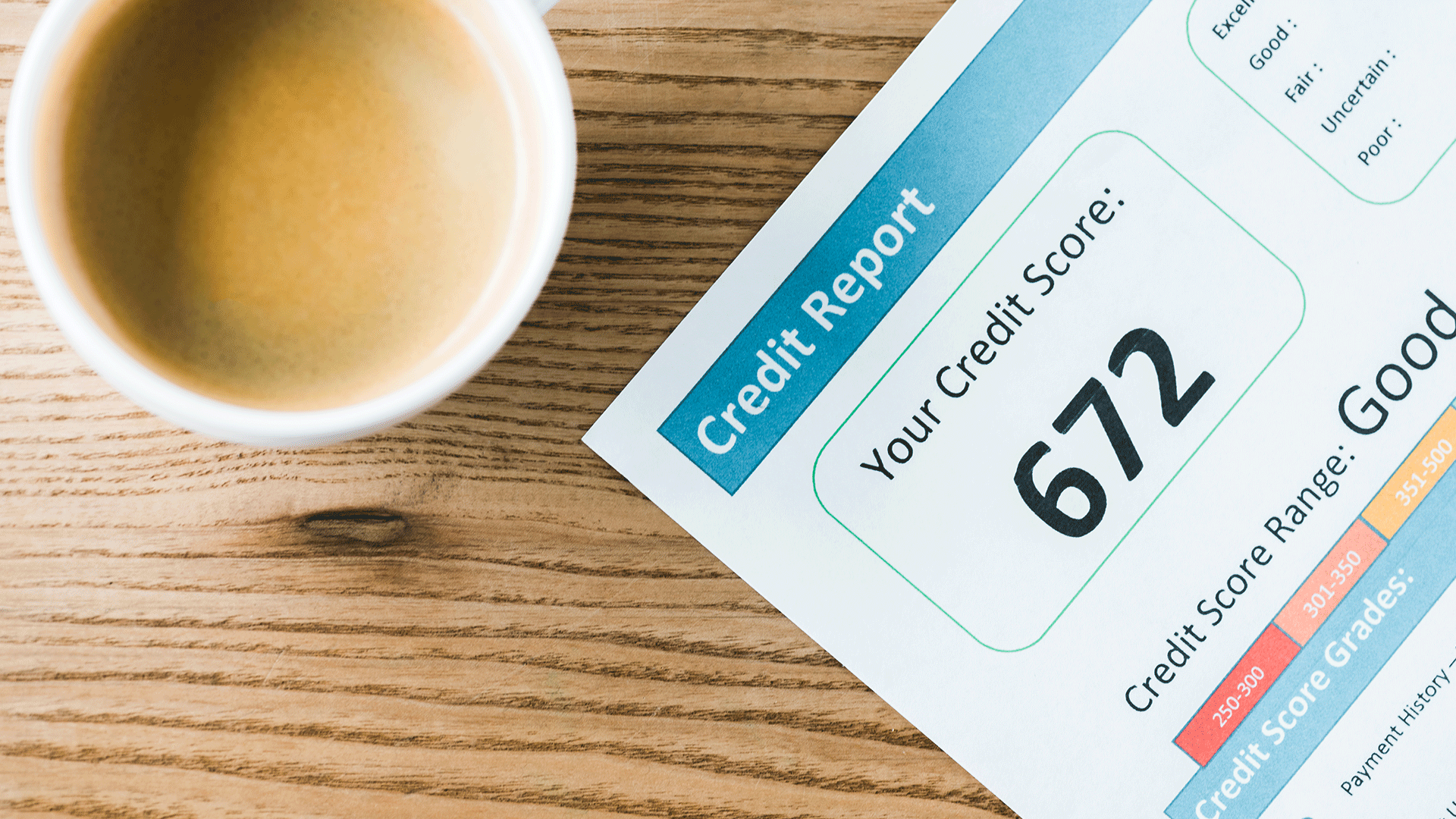

You can improve your credit score by checking your credit report for errors, making payments on time, reducing outstanding debts and avoiding unnecessary credit applications.
Registering on the electoral roll can also help if you’re eligible. These steps can strengthen your credit history before applying for a mortgage in Middlesbrough.
Check Your Credit Report Before Applying
One of the most useful things you can do before applying for a mortgage is obtain a copy of your credit report.
In the UK, the three main credit reference agencies are Experian, Equifax and TransUnion.
Each may hold slightly different information about your financial history, so checking all three can give you a more complete picture.
Look for incorrect addresses, accounts you don’t recognise, missed payments recorded in error or financial associations with people you are no longer financially connected to.
If you find something incorrect, you can raise a dispute with the relevant credit reference agency or the organisation that supplied the information.
Correcting an error won’t necessarily increase your credit score immediately, although it can prevent inaccurate information from affecting future lending decisions.
Make Your Payments on Time
Your payment history is an important part of how lenders assess your creditworthiness.
Regularly paying credit cards, loans and other credit agreements on time can help demonstrate that you’re managing your existing commitments.
Missed payments can remain visible on your credit report for six years, even after the outstanding amount has been repaid.
If you’ve previously missed payments, maintaining a consistent repayment history can help improve your position over time.
A previous missed payment doesn’t automatically prevent you from getting a mortgage in Middlesbrough. Lenders may consider how recently it happened, the amount involved and your financial conduct since.
Reduce Your Existing Credit Card Balances
The amount of credit you’re currently using can influence your credit score and mortgage affordability.
For example, having a credit card with a £2,000 limit and an outstanding balance of £1,900 means you’re using most of the credit available to you.
Reducing that balance could improve your credit utilisation, which is one of the factors credit reference agencies consider.
It may also reduce your monthly financial commitments, depending on the repayments involved.
You don’t necessarily need to clear every credit card or loan before applying for a mortgage. The important thing is understanding how your existing borrowing affects your finances and how a lender may assess it.
Register on the Electoral Roll
Being registered on the electoral roll at your current address can help credit reference agencies and lenders verify your identity.
If you’re eligible to vote and haven’t registered, updating your details is a relatively straightforward step.
It’s also worth checking that your address is consistent across your bank accounts, credit agreements and credit report.
If you’re not eligible to register, this doesn’t automatically prevent you from getting a mortgage. Lenders have other ways of verifying your identity and address.
Avoid Making Several Credit Applications Close Together
Applying for multiple credit products within a short period can affect your credit score.
When you apply for certain loans, credit cards or finance agreements, the provider may carry out a hard credit search. These searches are recorded on your credit report and can be visible to other lenders.
Several recent applications may lead a mortgage lender to ask further questions about your borrowing.
If you’re planning to buy your first home or move house in Middlesbrough, it can be sensible to avoid taking out unnecessary new credit shortly before your mortgage application.
This doesn’t mean you should stop using existing credit responsibly. The main consideration is avoiding changes to your financial commitments that could affect affordability.
Keep Older Credit Accounts in Mind
The length of your credit history can contribute towards how credit reference agencies calculate your score.
An older account with a consistent repayment history may provide useful evidence of how you’ve managed credit over time.
Closing an account can sometimes affect your score by changing your available credit or the age of your active accounts.
There isn’t a universal rule that you should keep every old credit card open. Annual fees, unused borrowing facilities and your wider financial circumstances may influence what makes sense.
Before closing several accounts ahead of a mortgage application, it’s worth understanding how those changes could affect your credit profile.
How Long Does It Take to Improve Your Credit Score?
Some changes to your credit report may appear within a few weeks, while building a stronger credit history can take several months or longer.
For example, correcting inaccurate personal information may be relatively straightforward. Improving your position after missed payments, defaults or significant outstanding debts can take more time.
Credit reference agencies update information as lenders report it, so improvements aren’t always reflected immediately.
If you’re hoping to apply for a mortgage in the next few months, checking your credit report early gives you more time to address any problems.
It’s also worth remembering that a higher credit score doesn’t guarantee mortgage approval. Lenders assess applications using their own criteria rather than relying entirely on the score displayed by a credit reference agency.
Can You Get a Mortgage in Middlesbrough With a Low Credit Score?
Yes, getting a mortgage with a low credit score may still be possible, depending on your circumstances and the lender’s criteria.
Some lenders are more willing to consider applicants with previous missed payments, defaults or County Court Judgements (CCJs).
They may look at how long ago the issue occurred, the amounts involved and your recent financial history.
The size of your deposit can also influence the mortgage options available.
We regularly speak to buyers and homeowners who are concerned about something appearing on their credit report. In many cases, the important question isn’t simply what their score says, it’s understanding the reasons behind it.
Our mortgage advisors can review your credit history alongside your income, deposit and affordability before identifying lenders whose criteria may be suitable.
For someone looking at first time buyer mortgages in Middlesbrough or moving home in Middlesbrough, this can help establish what may be possible without making unnecessary mortgage applications.
Does a Better Credit Score Mean a Better Mortgage Rate?
A stronger credit history may improve your access to mortgage products, although it doesn’t automatically guarantee a lower interest rate.
Mortgage pricing is influenced by several factors, including the lender, deposit size, loan-to-value ratio and the mortgage product you choose.
Lenders also have their own ways of assessing credit risk. An applicant who meets one lender’s requirements may not satisfy another’s, even with the same credit report.
This is why improving your credit score is useful preparation rather than a guarantee of a particular mortgage deal.
If you’re preparing to apply, understanding your credit history alongside your affordability can help establish which lenders and mortgage products are realistically available before moving forward.
Date Last Edited: November 16, 2026